
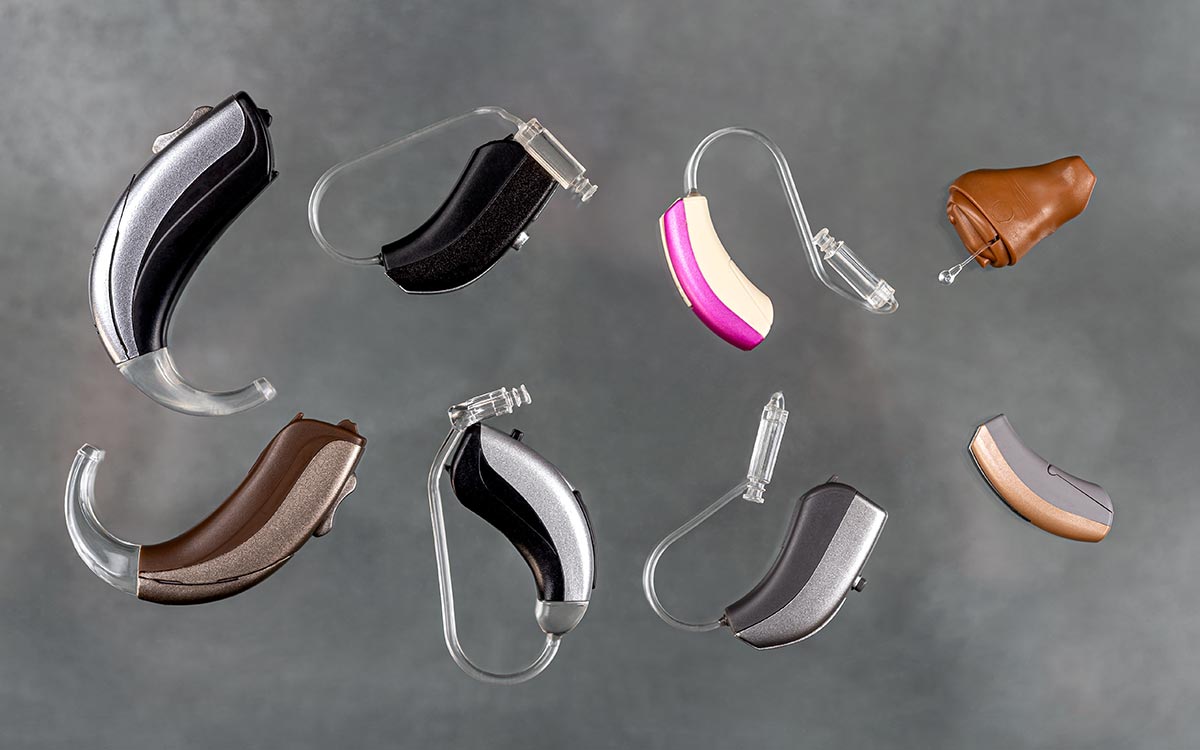
With so many choices in terms of dimensions, style, and technology, the process of picking an instrument can feel quite intense. Fortunately, there is an ideal hearing solution for every person, regardless of their lifestyle or the severity of their hearing loss or tinnitus. It’s all about discovering which model fits perfectly with your specific requirements.
Gaining a clear understanding of common hearing aid categories will empower you to make a wise decision for your hearing health. This guide examines the most popular styles and highlights the specific advantages each one offers.
Understanding ITC Units
What they represent:
ITC models are custom-fitted to sit within the ear canal, though an inconspicuous part of the shell remains visible in the ear’s outer portion.
The Perks:
- Provides a subtle appearance compared to traditional styles
- Individualized shaping ensures long-term wearing comfort
- Designed to address low to mid-range hearing impairments
These devices are commonly suggested for novices due to their effective mix of subtle design and user-friendly functions.
IIC (Invisible-in-Canal) Technology
The Concept:
IIC models are the most miniature custom-fitted hearing solutions you can choose. They sit deeply inside the ear canal and are virtually invisible when worn.
Primary Motivations:
- Optimal aesthetic discretion
- Microphone placement assists in mimicking the ear’s natural sound collection
- Featherweight and easy
Because of their tiny stature, IIC devices typically work best for mild to moderate hearing loss and for those who prefer an almost invisible option.
ITE (In-the-Ear) Model Summary
What they are:
A custom hearing aid rests securely within the outer ear, available in both full-shell and half-shell configurations. Every unit is specifically customized to match your ear’s unique shape.
Why people choose them:
- Larger size allows for more features and longer battery life
- The physical size is easier to grip and adjust for users with fine motor concerns
- Suitable for mild to profound hearing loss
The all-in-one style of the ITE style makes it an ideal choice for those who dislike behind-the-ear equipment.
Traditional Behind-the-Ear (BTE) Units
Technical Detail:
BTE hearing aids rest securely behind the ear. These models use a custom earmold or tubing to direct sound inside.
Why users select them:
- Known for being remarkably adaptable and robust
- Can be programmed to assist users with everything from mild to profound loss
- Large enough to house sophisticated software and modern rechargeable technology
The combination of user-friendliness and powerful audio makes BTE aids a top contender for many patients.
RIC (Receiver-in-Canal) Summary
Component Structure:
While they match BTE units, RIC aids place the speaker directly in the canal for improved sound delivery.
Why people select them:
- Provides a remarkably clear and lifelike listening experience
- The ultra-thin design is equally light and nearly effortless to wear
- RIC technology is highly flexible for many different audiogram profiles.
RIC devices are one of today’s most popular models, thanks to their blend of comfort, aesthetics, and performance.
Extended-Wear Hearing Aids
Introduction:
These unique devices are built to live in the ear canal for an extended period or more, managed by your hearing specialist.
User Incentives:
- No daily insertion or removal
- Nearly invisible
- Built to endure the stresses of sleep, exercise, and showering without being removed
Extended-wear devices are perfect for those who want a “set it and forget it” approach.
Wireless Smart Connectivity
Tech Details:
These are modern units equipped with radio technology to sync with your personal electronics and televisions.
Why go wireless:
- Enjoy direct sound streaming from your phone or TV right into your ears
- Gives you the ability to fine-tune your volume and programs via a smartphone app
- Improved ease for modern lifestyles
This wireless technology is located in most modern behind-the-ear and in-the-canal models.
Understanding Middle-Ear Implant Systems
What they represent:
This technology requires an operative procedure to place a device that physically stimulates the bones of the middle ear.
Who they are for:
- Serves as an essential substitute for those who find no success with traditional amplification
- Great for users who suffer persistent irritation from standard molds
These devices require a thorough medical review by a hearing, nose, and throat expert.
Selecting Your Ideal Hearing Option
Selecting an instrument is an individualized process that takes into account your hearing severity, lifestyle habits, and visual preferences. An audiology professional is your best resource for evaluating these options and finding a match for your daily routine.
Begin your journey to clearer sound by setting up a hearing test now. It is the most important step you can make toward a more vibrant and confident life.
Sources:
https://www.mayoclinic.org/diseases-conditions/hearing-loss/in-depth/hearing-aids/art-
20044116
https://www.hearinglife.com/hearing-aids/types
https://www.nidcd.nih.gov/health/hearing-aids