
Auditory obstruction can be disorienting, often making you feel isolated from the world around you. Many people immediately worry they’re experiencing irreversible hearing loss when, in reality, the culprit may be something much simpler: earwax buildup.
Distinguishing between a cerumen blockage and true hearing loss is crucial for determining if you need a simple removal or a formal diagnostic exam. Try not to worry if your hearing feels suddenly diminished. An exam can help you get to the bottom of it, but in the interim, here’s what you should consider about canal blockage (also referred to as cerumen impaction) vs. permanent impairment.
Identifying the Symptoms of Earwax Blockage
Earwax is actually a healthy, natural secretion designed to shield the ear canal from particles and foreign debris. The difficulty starts when this substance accumulates to the level of a physical blockage.
Typical indicators of an obstruction involve:
- Dampened sound quality that manifests gradually or overnight
- The sense that there is a mechanical obstruction in the ear
- Physical tenderness or focused aching in the ear
- Internal ringing within the impacted ear
- Hearing that improves temporarily after yawning or eating
Cerumen-based hearing issues are often asymmetrical, affecting one ear rather than the other. The good news is that professional removal typically ends in an immediate restoration of your natural hearing capacity.
Identifying the Markers of Permanent Hearing Loss
Unlike a temporary obstruction, nerve-based hearing deficit usually advances slowly over decades and is not resolved by clearing the canal.
Markers of permanent auditory decline often feature:
- Difficulty understanding speech, particularly in loud environments
- A persistent need for speakers to articulate more distinctly or audibly
- A tendency to increase sound output notably to compensate for hearing loss
- Trouble catching treble tones like birds or children’s voices
- Two-sided hearing changes that impact both ear canals simultaneously
A key difference is that true loss lacks the physical “clogged” feeling that accompanies a cerumen blockage.
At-a-Glance: Earwax vs. Auditory Decline
Several fundamental signs can help you ascertain whether you are contending with a manageable obstruction or a more permanent change:
- Timing: Earwax issues often come on suddenly; hearing loss progresses slowly
- Duration: Cerumen issues are treatable and short-term, whereas loss is usually long-term
- Sensations: Fullness and irritation suggest wax; speech clarity issues suggest loss
- Symmetry: Blockages are often unbalanced, but lasting loss is commonly two-sided
The Risks of DIY Ear Cleaning
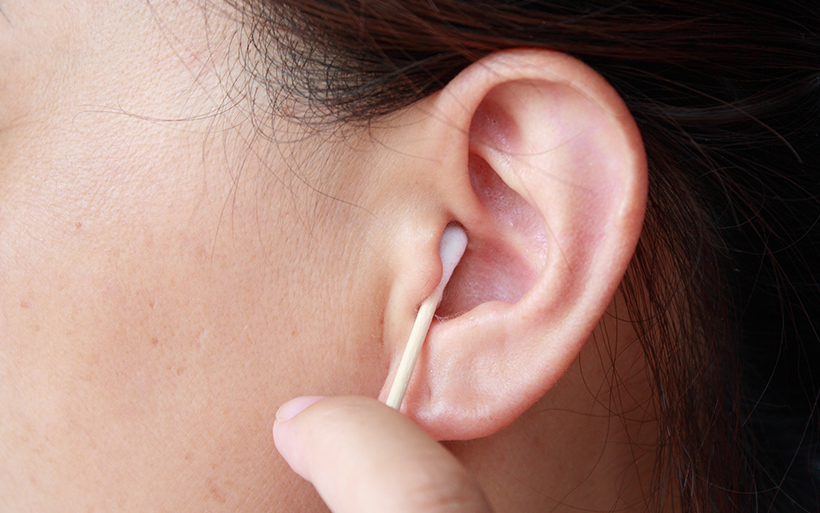
When hearing feels muffled, the natural desire is to use a cotton bud, but this is often a dangerous decision. Using foreign objects typically pushes the plug deeper into the ear, increasing the danger of trauma.
Based on data from the NLM, placing objects into the auditory canal raises the likelihood of impaction and injury.
Delaying a professional check-up for real impairment can result in missing out on solutions that shield your future cognitive and communal health.
How a Professional Evaluation Helps
A clinician can use an earlight to immediately see if a mechanical blockage is visible.
When wax is the issue, in-office flushing or clinical removal provides instant resolution.
Should the ear canal be unobstructed but hearing struggles persist, an audiogram can assess if auditory impairment is present and identify its category and severity.
Health authorities advise obtaining a clinical opinion as soon as you observe hearing fluctuations that affect your routine.
Finding the Correct Solution for Improved Sound Quality
Dampened auditory input doesn’t necessarily mean permanent damage.
Frequently, the problem is simply an accumulation of cerumen that can be quickly resolved.
A professional assessment will give you the answers you require to move forward without concern.
Please note that self-diagnosis is hardly a substitute for a professional exam when it comes to your hearing.
Addressing the concern now halts the anxiety of the uncertainty and places you on the track to improved hearing.
Instead of wondering what is amiss, book a rapid consultation with our specialists to get the truth.